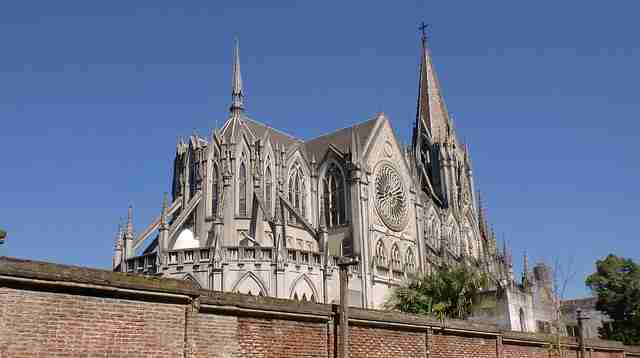
Situated where the Atlantic Ocean meets the Rio de la Plata, Punta del Este is Uruguay’s best-known beach resort—a chic oceanfront resort with a laid-back personality. Dubbed the “St. Tropez of South America,” this fashionable resort town is more than just sun and sand. It’s where yachts rub shoulders with fishing boats, surf shacks meet art galleries, and nightlife seamlessly bleeds into golden beach mornings. Nature, luxury, or plain relaxation – Punta del Este has them all.
Punta del Este: Beaches to Fit Every Mood
Punta del Este’s coastline is divided into two principal beaches: Playa Mansa and Playa Brava. Both offer a different experience.
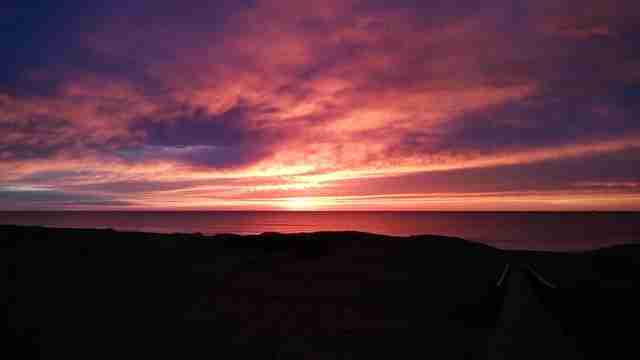
On the quieter side, Playa Mansa (“tame beach”) faces the river and is perfect for swimming, stand-up paddle boarding, and tranquil family walks. The sunsets here are really magical, with golden horizons glinting off soft waves. It’s also where the locals and visitors walk on long, leisurely promenades along the seafront promenade, Rambla Claudio Williman.
On the ocean front, Playa Brava (“fierce beach”) delivers on its name with crashing waves and a wild atmosphere. Surfers and thrill-seekers adore it here, and Punta’s most iconic sculpture—La Mano, or “The Hand”—calls this section home. The giant fingers reaching out of the sand have been a city landmark—and a popular Instagram selfie-spot.
A Playground of Luxury (and Simplicity)
Punta del Este boasts luxury allure. Summer seasons (December to February) find Argentine and Brazilian jetsetters, sleek sports cars, and Hollywood stars flooding the city. Luxury hotels, designer shopping malls, and haute cuisine restaurants hum with activity. Places such as Casapueblo—a stunning white-robed cliffside building that was the vision of Uruguayan artist Carlos Páez Vilaró—offer extravagance with view-filled horizons.
But beyond the glitz, there’s an authentic, down-to-earth charm. Head to the Puerto de Punta del Este, the city’s marina, and you’ll find fishermen selling the day’s catch straight off the boat. Sea lions laze around the docks, hoping for scraps, and the air is filled with the scent of saltwater and grilled seafood.
Art, Culture, and Style
Despite its diminutive size, Punta del Este is alive with artistic fervour. Art lovers simply have to go to Museo Ralli, an open museum in the Beverly Hills neighbourhood (yes, it does exist!) featuring a great selection of contemporary Latin American art.
Outside the city proper, Casapueblo is also a hotel, a museum, and an art gallery. Its curvaceous shape evolved over many decades as Vilaró built it, and the structure itself is a work of art. There is a lovely sunset ceremony every night with a reading of the poet’s closing of the day—auntained voice of the artist’s own words. It is a night of peaceful loveliness that haunts the mind.
The city also boasts international events throughout the year, from fashion weeks to jazz festivals, and even literary and cinema gatherings that attract creative minds from across the continent.
Day Trips and Secret Gems
While Punta del Este itself is interesting, the surrounding area is brimming with treasures to be found. Just 20 minutes to the east of Punta del Este is La Barra, a hip beach town renowned for its bohemian vibe, colourful homes, and artistic aesthetic. The beaches here are more relaxed and ideal for those in search of an alternative, laid-back scene.
Keep going and you’ll find José Ignacio, once a sleepy fishing village, now a stylish, low-key haven for celebrities and creatives. Its windswept beaches, chic boutique hotels, and acclaimed restaurants like La Huella make it a destination in its own right.
Even further afield is a visit to the capital The best way to get to Montevideo without a car is to bus which takes 2h 15m
On land, rolling hills and vineyards offer a contrasting experience. Wine lovers can stop by local bodegas like Bodega Garzón, set in the midst of a stunning countryside, where award-winning olive oils and wines are produced.
Food and Drink
Uruguayan cuisine is all about bold flavours and simple pleasures. Punta del Este isn’t any exception. From beachside parrillas (grill houses) with sizzling steaks and chorizo, to fancy seafood bistros with ceviche and oysters, there’s something for every taste.
Don’t miss trying asado, Uruguay’s famous barbecue, best enjoyed with a glass of local Tannat wine. For a sweet treat, alfajores (dulce de leche-filled cookies) and churros con chocolate are beachside favourites.
And of course, no day in Punta is complete without mate, the beloved national drink. You’ll see people everywhere sipping this herbal infusion from a gourd, a ritual that’s as social as it is cultural.
Best Time to Visit
The high season is between late December and February, when the city is full of people, festivals, and beach fiestas. If you desire a peaceful, less congested atmosphere, shoulder months like November or March would be ideal. The climate is still warm, but the crowds disperse and room rates are lower.
Even in winter (June to August), Punta del Este is somehow lovely. While it’s too cold for a swim, the city unwinds and becomes a serene retreat—perfect for promenades, good food, and balmy evenings by the ocean.
Final Thoughts
Punta del Este is not just Uruguay’s premier beach town—it’s where substance and style blend. It glows with glamour but invites you to relax and soak up the sheer simplicity of life by the shore. Whether you’ve come to dance until the first light of dawn, find art and Mother Nature, or just jam your toes in the sand and breathe, Punta welcomes you with the soft sounds of waves in the distance.
It’s not just a summer vacation—it’s something you’ll carry with you much longer than you depart.
Image by Hugo Grasso Sastre from Pixabay